





Is this for you?
This guide is written for independent restaurants and newer venues in major UK and European cities that want to use Meta ads to drive actual bookings — not just engagement or awareness.
If you’re currently boosting posts on Instagram and not seeing bookings, this is for you. If you’re trying to figure out whether to hire an agency or DIY your Meta ads, this is for you.
If you’re a large corporate chain with a dedicated marketing team, you’ll have different requirements.
The problem: beautiful ads that don’t convert
Most restaurants treat Facebook and Instagram ads like a digital billboard: post a beautiful food photo, boost it, hope for bookings, wonder why nothing happens.
The ones actually filling tables think differently. They treat Meta ads as a booking channel, not a vanity play.
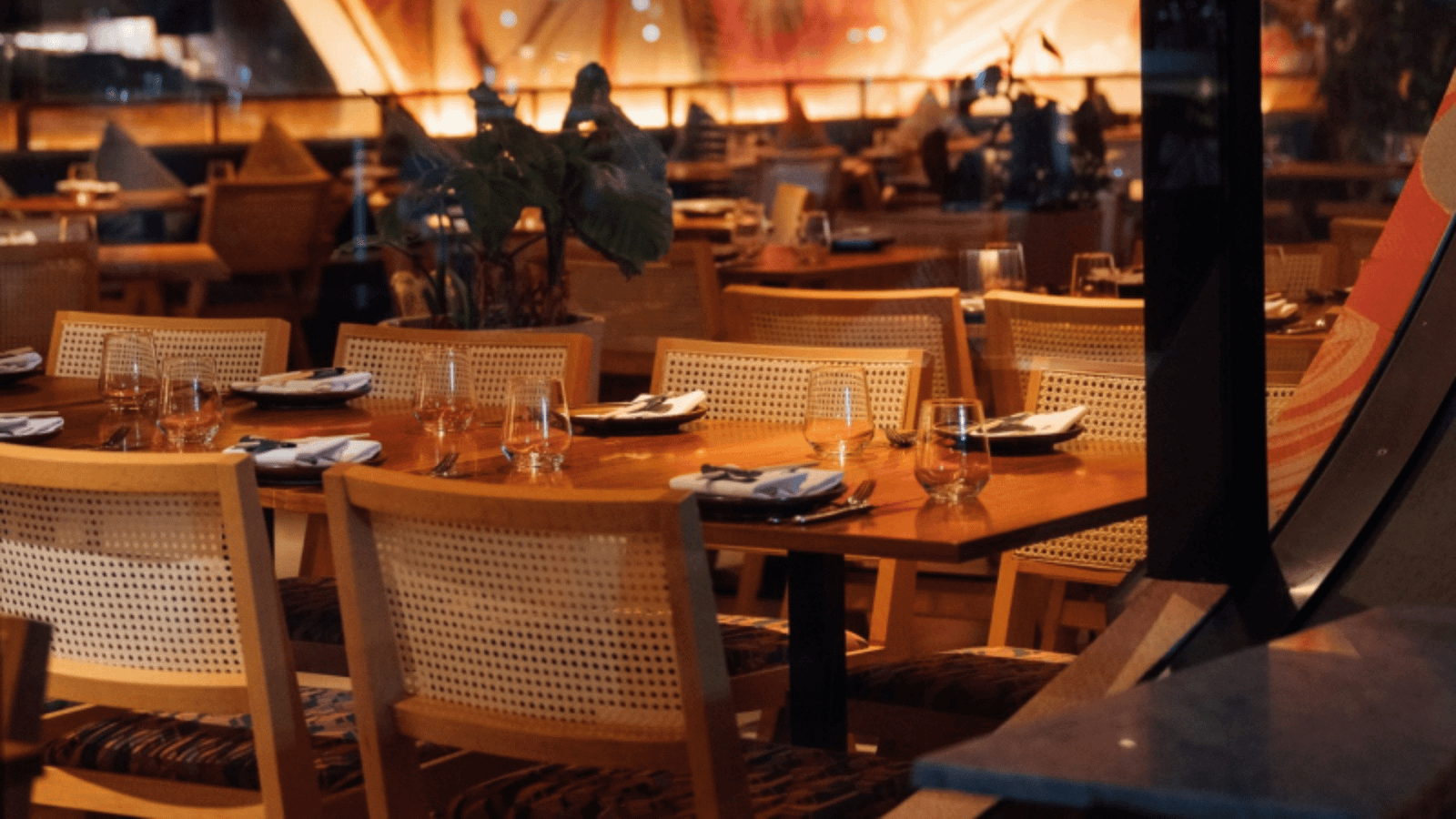
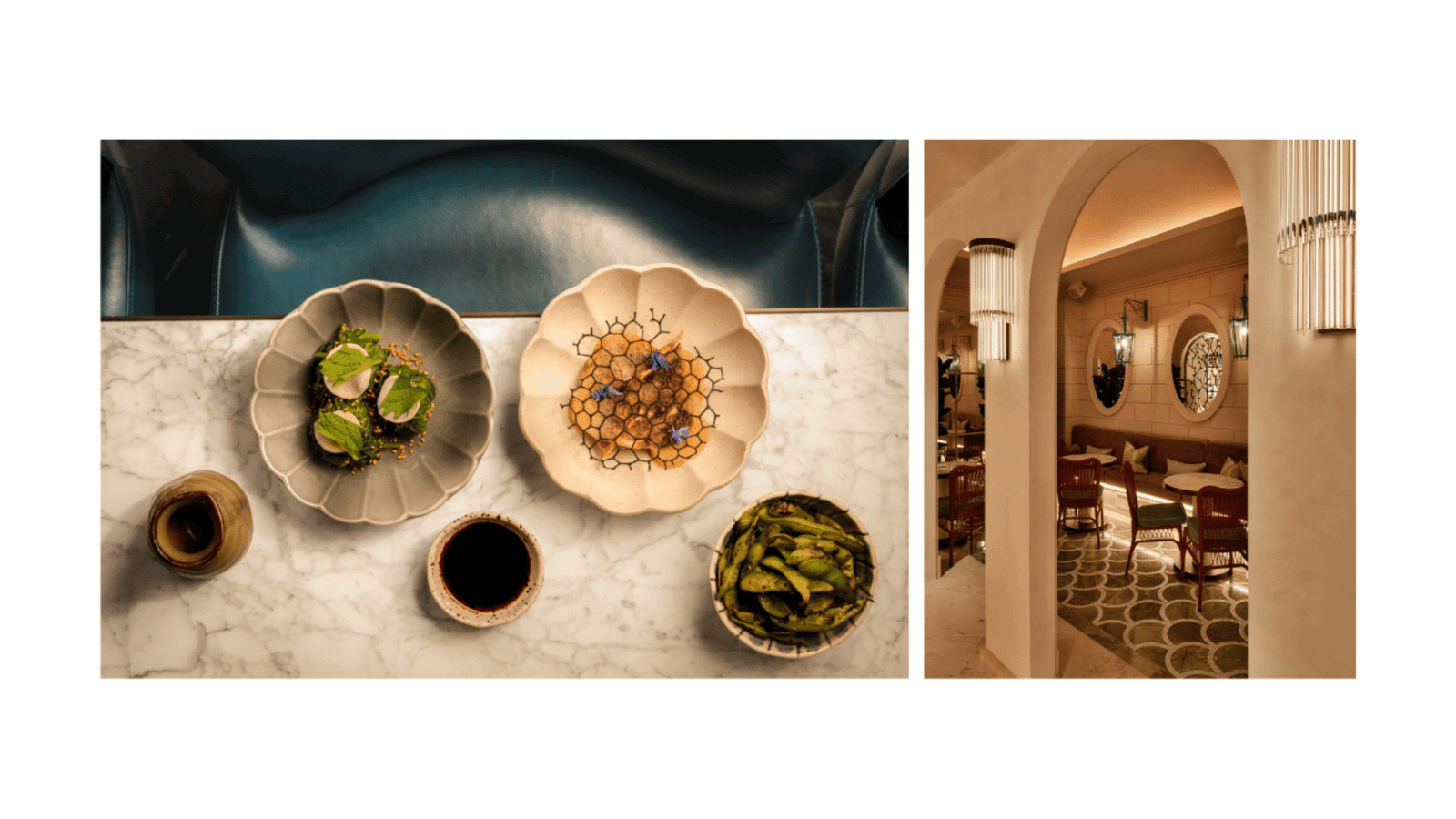
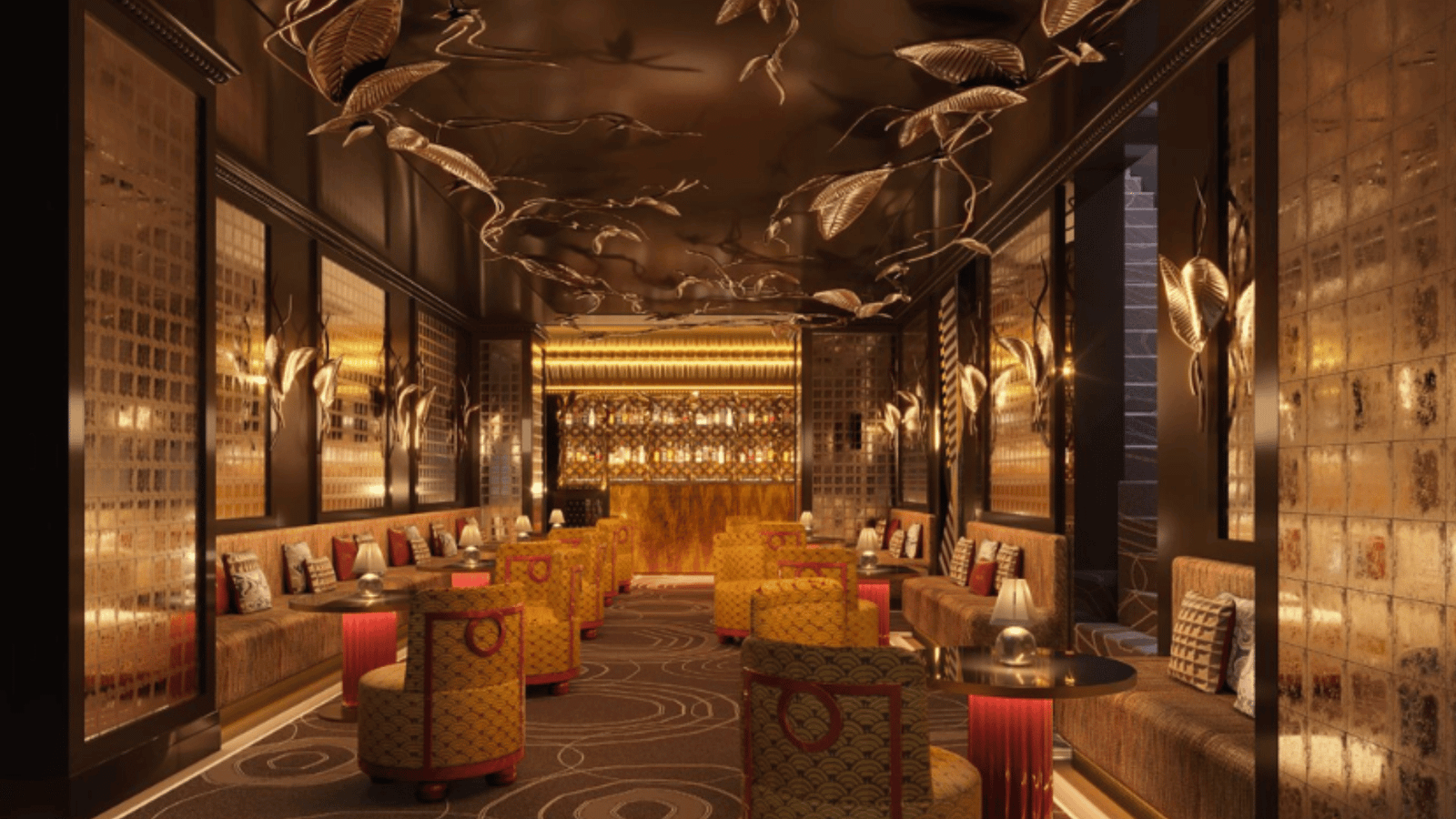
When we took over Meta advertising for Aki London, a newly opened premium Japanese restaurant in Marylebone, that shift in mindset changed everything.
Instead of optimising for engagement, we optimised for reservations.
The result: Meta shifted from an awareness channel into a measurable driver of bookings — part of an omnichannel acquisition engine that brought 455 diners to the restaurant in a single month.
But here’s the thing: that didn’t happen because we made prettier ads. It happened because we built the right infrastructure, set up conversion tracking, and treated social ads as a performance problem, not a creative one.
Why Meta ads work (or fail) for restaurants
Facebook and Instagram give restaurants a rare structural advantage: the product is visual, the audience is local, and the decision cycle is short.
Visual stops the scroll
A well-shot dish or dining room interior stops the scroll. Instagram was practically built for restaurants.
Your audience is hyper-local
You don’t need national reach. You need affluent diners (or budget-conscious ones, depending on concept) within 3–10km who eat out regularly.
This makes even modest budgets meaningful when targeted correctly.
The decision cycle is short
Nobody deliberates for three months over dinner. Someone sees an ad on Tuesday and books for Friday.
This urgency is a huge advantage for paid acquisition.
Here’s what most restaurants get wrong: they treat these advantages as permission to boost posts.
Boosting is not a strategy. It’s a way to waste money reaching people tangentially interested in food when you should be reaching people actively ready to book.
Boost vs. running real campaigns: The critical difference
This is the question we hear most: “Should I just boost my Instagram posts instead of running proper campaigns?”
The honest answer: boosting is damage control.
Boosting = awareness spendingWhen you boost a post, Meta uses broad targeting to find people vaguely interested in your content. You’re paying awareness prices for awareness results.
Campaigns = booking spendingReal campaigns let you set a specific conversion event (completed booking, phone call, reservation request). Meta’s algorithm learns to find people likely to take that action.
The attribution gap is enormous:
- A boosted post: 500 clicks to your website = 0 bookings
- A conversion campaign: 100 clicks to the same page = 15 actual bookings
Which would you rather pay for?
The trade-off: campaigns require better setup (conversion tracking, proper UTMs, a real reservation flow). Most restaurants skip this because it feels technical.
That’s exactly why performance specialists exist — to set it up so it works.
What booking-focused Meta ads actually require
Before launching a single campaign for Aki London, we had to make bookings measurable. This is the most expensive lesson restaurants learn the hard way.
Fix conversion trackingYour reservation system (OpenTable, Resy, SevenRooms, TheFork) needs to fire a pixel event when someone completes a booking. The problem: most restaurant sites use iframe-embedded widgets that silently block pixel events. You have to test this explicitly. Without working conversion tracking, Meta flies blind. You’re optimising for clicks or engagement instead of bookings.
Track secondary conversionsFine dining and group bookings often come by phone or email. If you only track online reservations, you’ll undervalue Meta’s impact. Track completed online bookings, phone calls from your site, email enquiries and private event requests.
Use a real conversion eventSome agencies optimise for “landing page views” or “clicks on Book Now”. These aren’t the same as completed reservations. The traffic quality difference is dramatic.
Let the algorithm learnOnce conversion tracking works, give Meta’s algorithm 100–150 conversions to learn from before making major changes. Too many restaurants kill campaigns too early because they’re impatient or looking at vanity metrics.
Campaign structure: hierarchy of spend
The full-funnel strategy we run for restaurant accounts has a clear structure:
- Conversion campaigns are the spine (60–70% of budget). The majority goes to campaigns optimised for reservations, targeting your realistic catchment area.
- Retargeting is the multiplier (25–35% of budget). Website visitors, engagement audiences, booking-page abandoners, and past guests convert at much lower cost than cold traffic.
- Awareness feeds the top of the funnel (5–10% of budget). Reach campaigns for launches and seasonal pushes. But they should feed your retargeting pools — they’re not the main event.
- Keep concepts together, venues separate. If you operate multiple brands under one umbrella (like Aki London and its underground bar KIYORI), run them under one coordinated strategy. If you operate separate venues, treat each as a profit centre and let budget flow to what’s working.
Creative: treat it as a performance asset
This is where most restaurant agencies fail. They create beautiful assets and expect them to work forever.
That’s not how Meta works.
We saw this clearly: when fresh venue imagery replaced outdated assets, traffic surged 24% and bookings rose 10% at 10% lower cost, month on month.
Creative fatigue shows up in booking numbers faster than anywhere else.
What works for restaurant Meta creative
| Do this | Not this |
|---|---|
| Shoot native, vertical video | Polished TV-style ads |
| Reels-format walkthroughs | Static images only |
| Dish reveals, open-kitchen moments | Generic “food looks good” content |
| Lead with your differentiator | Vague atmosphere shots |
| Kobe beef licence, Michelin star, Grade II listed location | “Great food, great people” |
| Refresh every 4–6 weeks | Set it and forget it |
Match creative to funnel stage
- Cold audiences: atmosphere and brand story
- Retargeting warm audiences: menus, availability, offers, social proof
Audiences: go broader than feels safe
The old playbook of stacking narrow audiences (“sushi” + “fine dining” + “affluent” + “Marylebone”) actually kills delivery. Here’s what works:
Broad geo + age as the base, let the algorithm find bookers
If your conversion tracking is solid, Meta’s algorithm will find people similar to your actual bookers far better than any manually layered interests.
Retargeting segments by intent level
- Booking-page abandoners (hottest)
- Menu viewers
- Social engagers
- Website visitors
Lookalikes from actual bookers, not page likers
A 1–3% lookalike seeded from completed reservations beats any interest stack.
Exclusion rules that save money
Don’t keep serving ads to people who just booked a table. Exclude recent converters from acquisition campaigns.
Performance specialists vs. general agencies: why it matters
This is worth saying directly: not all agencies approach restaurant advertising with the same level of rigor.
Creative agencies
Excel at making beautiful things. They understand that ads should look good, which is true.
But “beautiful” that hasn’t been adapted to the media channel will not equal “converts bookings”.
A creative-first agency will optimise for engagement, reach, or impressions — metrics that look good in a PowerPoint but don’t fill tables.
Social media agencies
Great at community building and content calendars. They understand voice and posting cadence.
But most treat Meta ads as a minor extension of organic posting, not as a performance channel. They’ll boost posts and show engagement metrics when you actually need booking metrics.
Performance specialists
Think like accountants with creative skills. They obsess over:
- Cost per booking
- Attribution
- Holdout testing
- Profitability
They build tracking infrastructure before launching campaigns. They’re willing to replace beautiful creative that isn’t converting.
For restaurants, this difference is non-trivial. You’re not paying for likes. You’re paying for diners. Performance specialists treat Meta as an acquisition channel, not a brand channel.
That mindset shift is what separates Aki London’s 455-booking result from the restaurant next door spending similar budgets and getting half the return.
Budgets and benchmarks
For a premium restaurant in a major city, £1,500–3,500/month funds a proper conversion + retargeting structure, provided tracking is solid.
Cost per booking: what to expect
This varies significantly by market, competition, and concept. Here’s what we’ve observed:
£8–12 per bookingWhy: high-intent search (person is actively looking).
Risk: lower volume, budget-limited ceiling.
£15–35 per bookingWhy: lower-intent audience (creating demand, not capturing it).
Upside: builds brand awareness and loyalty simultaneously.
Risk: requires solid conversion tracking to optimise properly.
Benchmark: your cost per booking should be 50–75% of your average customer lifetime value. If a diner eats at your restaurant twice a year at £80 average spend, your CAC should be £40–60.
If you’re paying £80–100+ per booking on Meta, either:
- Your conversion tracking is broken
- Your creative is fatigued
- Your targeting is too narrow
- Something else needs fixing
The takeaway
Meta ads become a genuine acquisition channel when four things line up:
- Booking conversions are tracked properly — the algorithm can learn from them
- Campaigns are optimised for reservations, not engagement or reach
- Creative is treated as a performance asset with a regular refresh cadence
- Meta works as part of a full strategy alongside SEO, Google Ads, and organic social
Run Meta in isolation, without tracking or strategy, and it’ll burn money while delivering vanity metrics.
Run it as a serious acquisition channel with the right infrastructure, and it becomes one of the highest-ROI channels available to restaurants.
That’s the shift that happened with Aki London — and it’s repeatable.
Good restaurant marketing isn’t about spending more. It’s about spending smarter.
If you’d like to explore what a performance-led approach to restaurant advertising could look like for your venue, let’s have a conversation.
Meta Ads for Restaurants FAQs
What’s the difference between boosting a post and running a conversion campaign?
Boosting reaches people vaguely interested in restaurants. Conversion campaigns optimise specifically for completed bookings — Meta’s algorithm learns to find people likely to reserve. The conversion quality difference is dramatic. Boosting is awareness; campaigns are acquisition.
Do Meta ads actually drive restaurant bookings?
Yes — when campaigns are optimised for completed reservations and conversion tracking works. For Aki London, a performance-led approach turned Meta into a measurable driver of 455 bookings in a month across all channels.
How much should a restaurant spend on Meta ads?
For a premium venue in a major city, £1,500–3,500/month funds a proper structure. Efficiency matters more than volume: cost per booking should be 50–75% of customer lifetime value.
What’s the biggest mistake restaurants make with Meta ads?
Broken or missing conversion tracking. If Meta can’t see completed bookings, it can’t optimise toward bookers. This is why performance specialists exist — to get the infrastructure right before launching.
Should restaurants run Meta or Google Ads?
Both, with different jobs. Google Ads captures high-intent searchers (lower cost per booking, smaller volume). Meta creates and converts demand among people who weren’t searching yet (higher cost, but builds long-term brand value). The strongest results come from running them as one coordinated system.