





Targeting is where most restaurant ads go wrong
When a restaurant tells us their Meta ads “did not work,” the reason is almost never the creative. It is who saw the creative.
You can have a stunning shot of your best dish, a tempting offer, and a clean landing page, and still get nothing back if that ad is landing in front of the wrong people. A gorgeous ad shown to someone forty miles away who never eats out is wasted money. The same ad shown to a local who dines out twice a week and lives ten minutes from your door is a booking waiting to happen.
Get the audience right and mediocre creative will still bring people in. Get the audience wrong and the best creative in the world will take five times the money and time to deliver the same result.
So before anyone touches the ad itself, this is the part worth getting right.
Start with geography, and be honest about your radius
This sounds obvious, and it is the mistake we see most often.
If you are a neighbourhood restaurant, most of your customers come from nearby. Not the whole city. Nearby. Yet restaurant after restaurant sets their ads to target an entire metro area of several million people, then burns through budget showing ads to people who were never going to travel across town for a mid-week dinner.
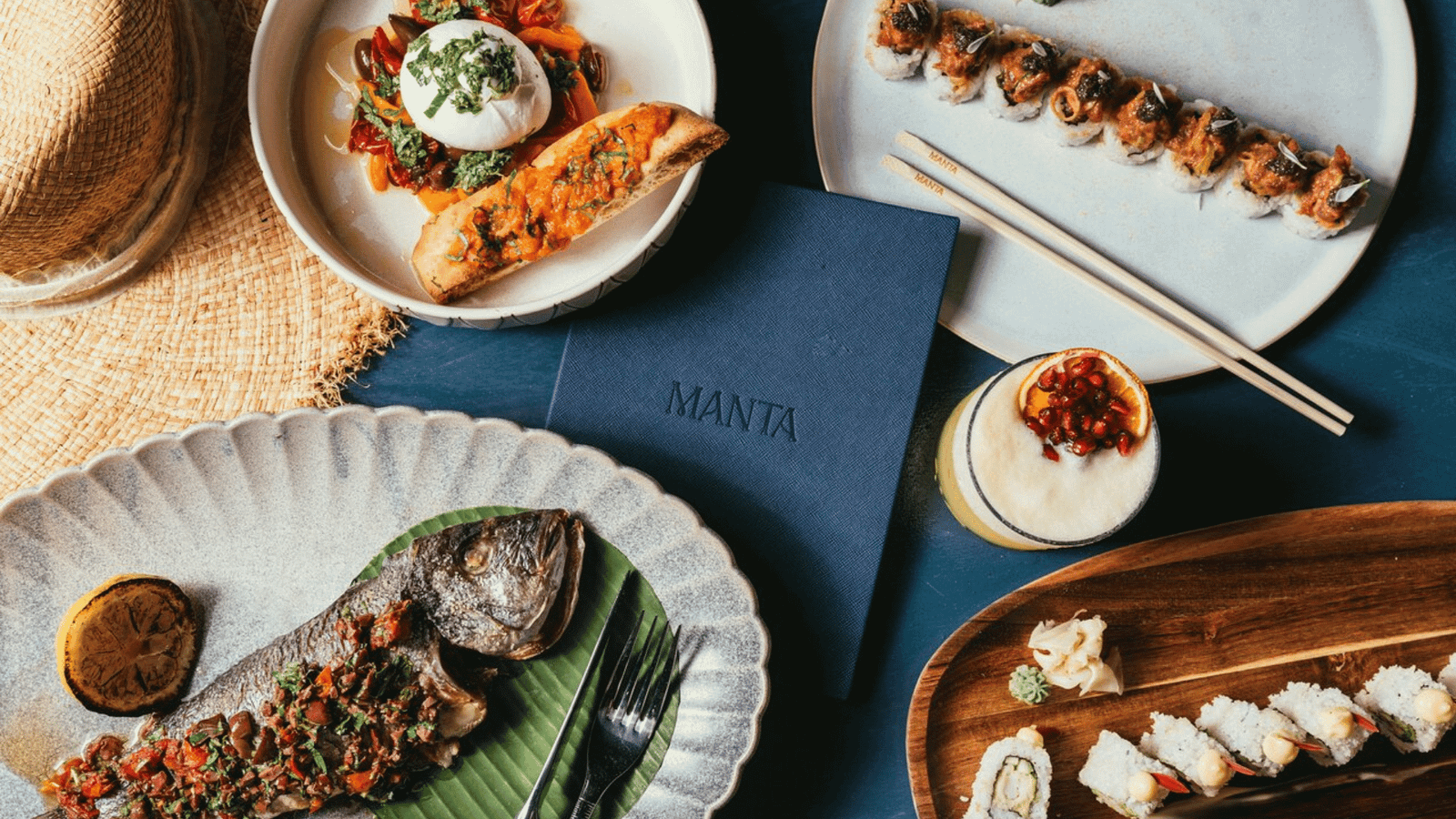
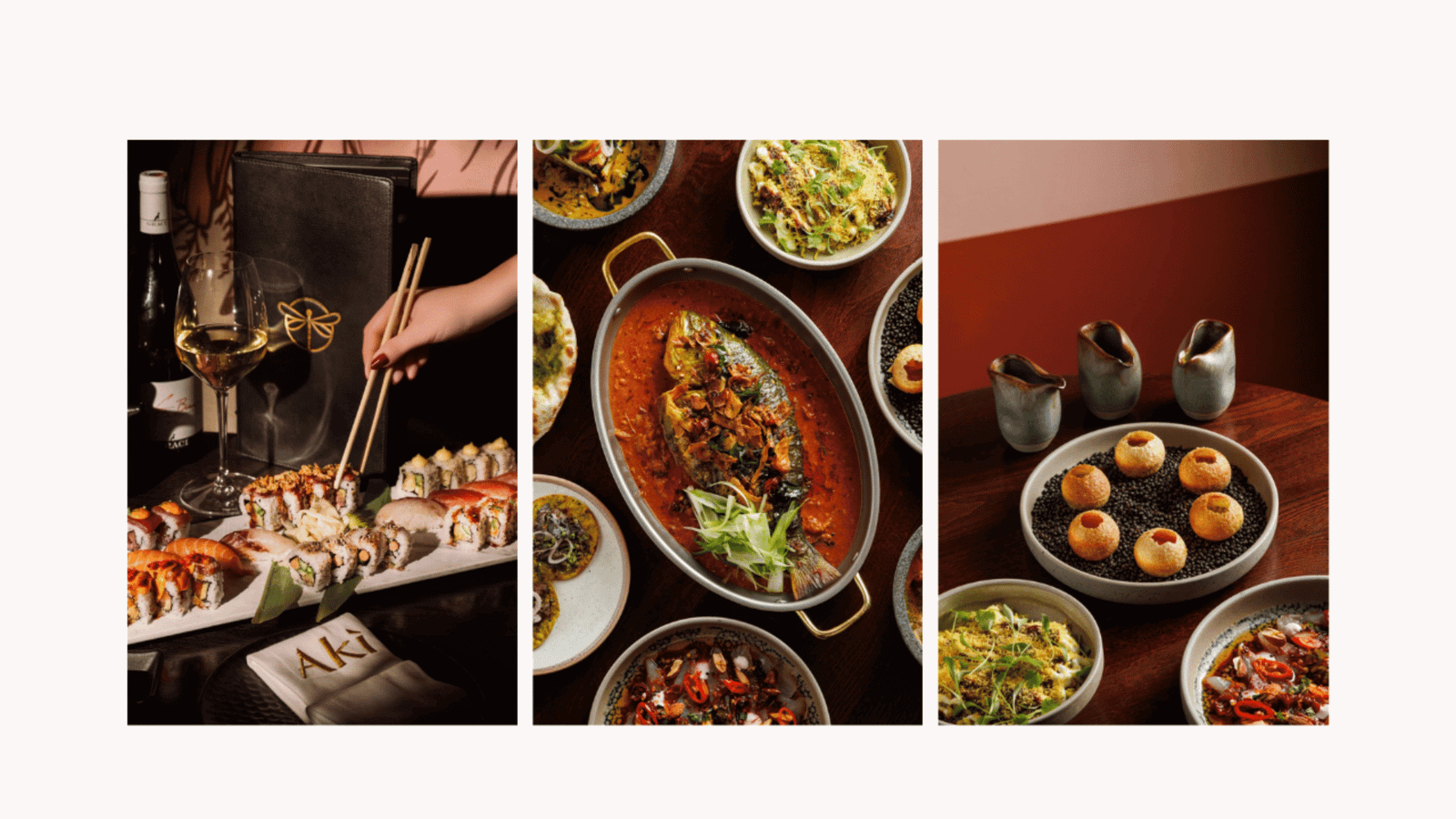
Think about how far people will realistically come for you. For a casual local spot, that might be a two or three mile radius. For a destination restaurant that people plan a night around, it stretches further, and it might include tourists and visitors as well as residents. A place like Aki London, a premium Japanese restaurant with a rare licence to serve authentic Kobe beef, pulls from a much wider circle than a corner café, because people will cross a city for something they cannot get anywhere else.
Be realistic about which one you are. Setting a sensible radius is one of the fastest ways to stop wasting money.
Stop stacking interests on top of each other
Here is a habit worth breaking. A lot of people build their restaurant audience by piling on various related interests they can find within the Ads Manager. Sushi lovers, plus fine dining, plus foodies, plus people who like a particular celebrity chef, plus followers of a food magazine. It feels precise, it feels clever.
It usually strangles the campaign.
Every layer you add shrinks the pool and boxes in the algorithm, and Meta’s targeting interests are far broader than people assume. “Interested in sushi” does not mean someone books sushi restaurants. It might mean they liked a photo of a salmon roll a month ago.
These days the platform is genuinely good at finding the people likely to take the required action, as long as you give it room to work and a clear signal to optimise toward. Which brings us to the single most important part of all of this.
The real targeting happens through your tracking
This is the bit most restaurants skip, and it is the bit that matters most.
If you have proper conversion tracking set up, so that Meta can see when someone actually completes a booking, then the platform can go and find more people like the ones who booked. The more meaningfully granular the setup, the better the campaign layering can become. If you track the full journey, you will know how far each customer got and who changed their mind — invaluable information for retargeting! That is far more powerful than any interest you could pick by hand. The algorithm learns what a real customer looks like and chases that pattern.
If you do not have that tracking, none of the clever targeting matters, because the system is flying blind. It cannot optimise toward bookings it cannot see. This is why so many restaurant campaigns underperform: because the booking data was never used on campaigns or tracked in the first place.
Get the tracking right, feed the algorithm real booking data, and start broad. That combination beats a hand-built audience most of the time.
Use the people who already know you
Cold audiences are only half the picture. Some of your most valuable people are the ones who have already crossed your path, and they are cheap to reach.
Retargeting means showing ads to people who visited your website, looked at your menu, started a booking and did not finish, or engaged with your Instagram. These people already know you exist and showed some interest. A gentle nudge, a reminder, a seasonal menu, an offer, and a good number of them convert at a fraction of what it costs to win a total stranger.
The warmest of the lot are the people who began a reservation and dropped off. Something pulled them in and something stopped them. Reaching that exact group with the right message is some of the most efficient spending you can do.
Build lookalikes from bookers, not likers
Meta lets you create “lookalike” audiences, where you hand it a list of people and it goes to find more people who resemble them. This is a strong tool, but only if you feed it the right list.
The mistake is building a lookalike from people who liked your page or followed you on Instagram and expecting strong commercial outcomes. Page likers are not the same as paying customers. It is a warmer audience to address but plenty of people follow restaurants they will never visit. The most important thing is to select the right goal for the right type of audience.
Page likers & followersA warmer audience to address, but plenty of people follow restaurants they will never visit.
People who booked and dinedA list of real customers, or a tracked list of people who completed a reservation, gives Meta a far better picture of who to go and find.
If your goal is cheaper conversions, build your lookalike from people who actually booked and dined. The difference in lead quality between a lookalike built on bookers and one built on followers is large, and it shows up directly in your results.
Match the audience to the occasion
Not every diner is looking for the same thing, and your targeting should reflect what your restaurant offers.
A romantic fine-dining room and a lively family pizza place are chasing different people, at different times, for different reasons.
- Date-night spots do well reaching couples thinking about weekends and evenings.
- Family restaurants want parents, and often perform better around weekends and school holidays.
- Business-lunch venues live on mid-week lunchtime and a completely different crowd.
Timing matters as much as the person. Someone deciding where to have dinner tonight is worth reaching in the afternoon, not at nine in the morning. Think about when your ideal customer is actually making the decision, and be in front of them then.
Stop paying to reach people who just booked
A small thing that quietly saves money: exclude people who have already booked from the ads that are trying to win new bookings.
If someone reserved a table last week, there is no sense burning the budget by showing them your “come dine with us” campaign. They are already coming. Move that money toward people who have not decided yet. You can still reach past customers with different messaging later, a new menu, a special event, a reason to come back, but that is a separate job from filling tables with fresh faces.
Bringing it together
Getting restaurant Meta ad targeting right comes down to a handful of things done properly:
- Set a geographic radius that matches how far people will really travel for you.
- Resist the urge to over-complicate the audience with stacked interests.
- Wire up your booking tracking so the algorithm can find people who genuinely book.
- Reach warm audiences who already know you.
- Build lookalikes from real customers.
- Stop spending on people who have already said yes.
Do that, and you stop paying to reach everyone and start paying to reach the people who will walk through your door. That is the whole game.
Good restaurant marketing is not about spending more. It is about spending smarter.
If your Meta ads are reaching plenty of people but not filling tables, the fix is usually in the targeting and the tracking. We would be glad to take a look.
Meta Ads for Restaurants FAQs
Who should restaurants target with Meta ads?
Start with local people within a realistic travel distance, layer in retargeting for people who already know you, and build lookalike audiences from your bookers. Let the algorithm do the fine work once your booking tracking is set up.
Why are my restaurant Meta ads not working?
Nine times out of ten it is targeting or tracking, not creative. If your ads reach the wrong people, or Meta cannot see who actually books, even great ads will underperform.
How big should my targeting radius be?
It depends on your restaurant. A casual local spot might only need two or three miles, while a destination venue can reach much further and include visitors and tourists. Be honest about how far people will really travel for you.
Are interest-based audiences worth using?
Less than most people think. Stacking interests usually shrinks your reach and confuses the algorithm. A broad audience combined with solid booking tracking almost always performs better.
What is a lookalike audience and does it help?
It is an audience Meta builds by finding people similar to a list you provide. It helps a lot, but only if you build it from relevant people who took a relevant action for each campaign. For some campaigns, it is people who booked, for others it is people who left the booking journey early.